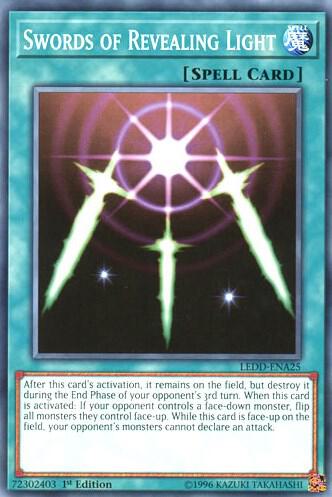
Where to buy
Market price · 1st Edition
$0.17
Price history
$0.17latest
Historical series is estimated until enough real price points are recorded.
| Variant | Low | Market | High |
|---|---|---|---|
| 1st Edition | $0.13 | $0.17 | $19.99 |
Other printings (12)
The same card printed in other sets.
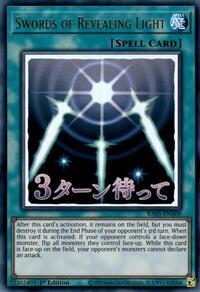
Rarity Collection 5
#RA05-EN109 · Ultra Rare
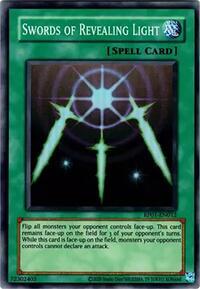
Retro Pack (2020 Date Reprint)
#RP01-EN012 · Super Rare

Legendary Decks II (2020 Reprint)
#LDK2-ENY23 · Common
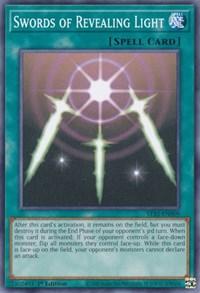
2-Player Starter Set
#STAS-EN009 · Common
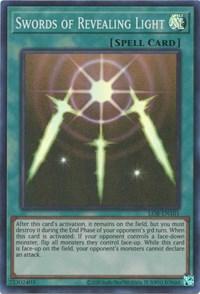
Legend of Blue Eyes White Dragon (25th Anniversary Edition)
#LOB-EN101 · Super Rare

Structure Deck: Saga of Blue Eyes White Dragon (2020 Date Reprint)
#SDBE-EN031 · Common
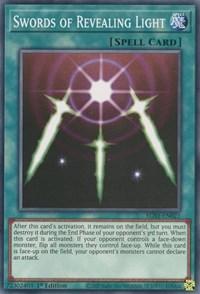
Egyptian God Deck: Slifer the Sky Dragon
#EGS1-EN021 · Common
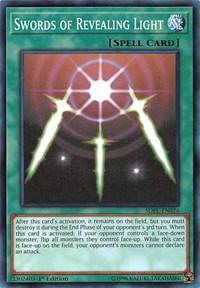
Structure Deck: Powercode Link
#SDPL-EN026 · Common
Dark Beginning 1
#DB1-EN129 · Super Rare
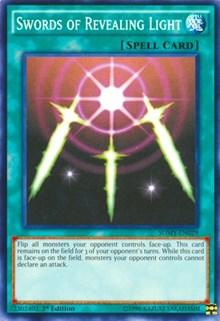
Structure Deck: Yugi Muto
#SDMY-EN029 · Common
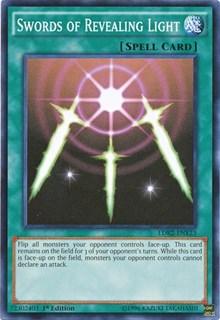
Legendary Decks II
#LDK2-ENY23 · Common
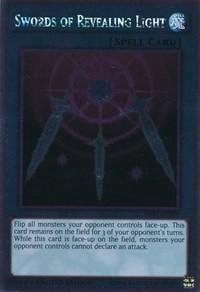
Noble Knights of the Round Table Box Set
#NKRT-EN025 · Platinum Rare
Is it real? Yu-Gi-Oh! authenticity tips
Yu-Gi-Oh! authenticity hinges on the holographic seal, card stock colour, and text quality. Konami prints to tight standards, so fakes usually slip up on at least one.
- Eye of Anubis hologramGenuine TCG cards have a small holographic seal (gold for most, silver for some promos) on the bottom-right of the front. It should shift colour cleanly. Fakes have a flat, off-colour, or missing seal.
- Card stock & brown coreReal cards have a slightly off-white front and a darker brown/grey core visible on the edge. Bend gently — fakes are often too white, too glossy, or have a pure-white core.
- Front colour & borderThe tan/brown card border and artwork colours should look muted and consistent. Overly bright, blue-ish, or pixelated artwork suggests a scan-and-reprint fake.
- Font & 1st Edition textCheck the name font, ATK/DEF numbers and the set/edition code. Wrong fonts, fuzzy small text, or a set code that doesn't exist are clear signs.
Red flags
- Price that's far below market for a card this valuable.
- Seller has no grading photos, blurry images, or won't show the back.
- “Proxy”, “custom”, “oripa”, “orica”, or “not for resale” anywhere in the listing.
- Bulk lots of high-value cards from a brand-new or no-feedback seller.
These tips help spot common fakes but aren’t a guarantee. For expensive cards, buy from reputable sellers and consider professional grading/authentication.